VocaMe
"The sound of light"
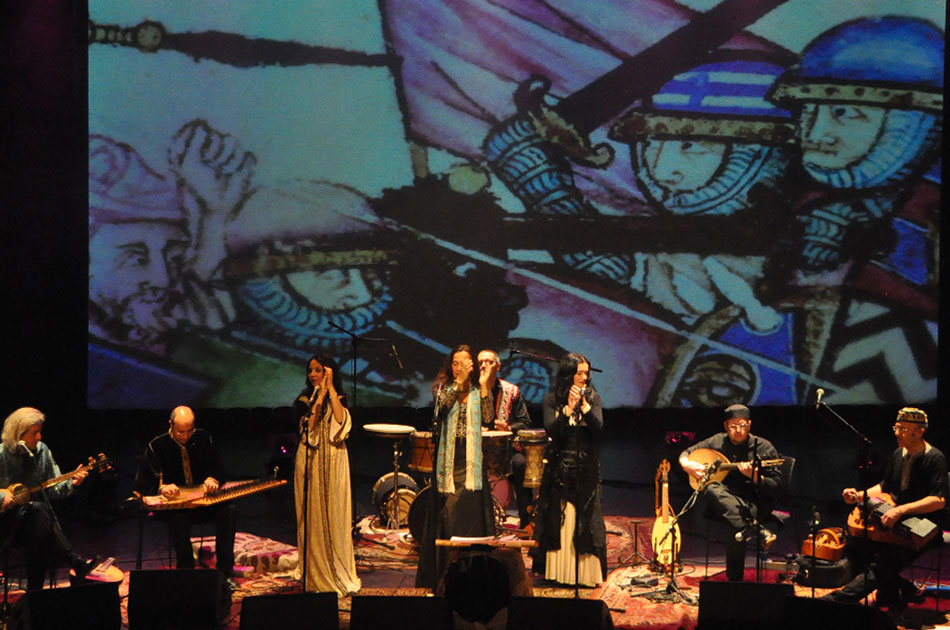
Vocame are four female singers and the multi-instrumentalist Michael Popp. They form a unique ensemble, founded in 2008 in the course of the first recording of music by the Byzantine composer Kassia from the 9th century. One focus of Vocame's work is the exploration of women composers of the Middle Ages. Unique, partly unheard and forgotten compositions are discovered.
An intensive examination of questions of interpretation as well as varied and creative arrangements create an individual and unmistakable sound of this ensemble. At Vocame's concerts, (church) space, light and movement are part of the performance, adding further dimensions to the music.
Concerts 2026
Zürichsee (CH) Klosterinsel Ufenau
65719 Hofheim
Kopenhagen (DK) Koncertkirken
16831 Schloss Rheinsberg
16831 Schloss Rheinsberg
Stuttgart Stiftskirche
Berkholz / Uckermark
Averbode - Belgien
Granada, Spain
Cantabria, Spain
more Info next
Ried im Innkreis
Convex chapel of the Ried i.I. State Music School Organizer Musica Sacra Ried
Neuzelle
Copenhagen Renaissance Music Festival
Early Music Festival in Stockholm und Oslo
Cork International Choir Festival
Festival Voix & Route Romane
Concentus Moraviae, Tschechien
Recontres Musicales De La Vallée De L‘Alzette, Luxembourg
Festival Tres Culturas, Murcia
Musikfestspiele Potsdam
Rheingau Musik Festival
Musica Sacra International
Europäische Kirchenmusiktage Schwäbisch Gmünd
Fränkischer Sommer
Kreuzgangkonzerte Kloster Walkenried
Kunst- und Ausstellungshalle der BRD Bonn
MDR Musiksommer
Musikfest Stuttgart
Vancouver Early Music Festival
Midtown Concerts Series, New York
Early Music Society of the Island, Victoria/Canada
...
Programs

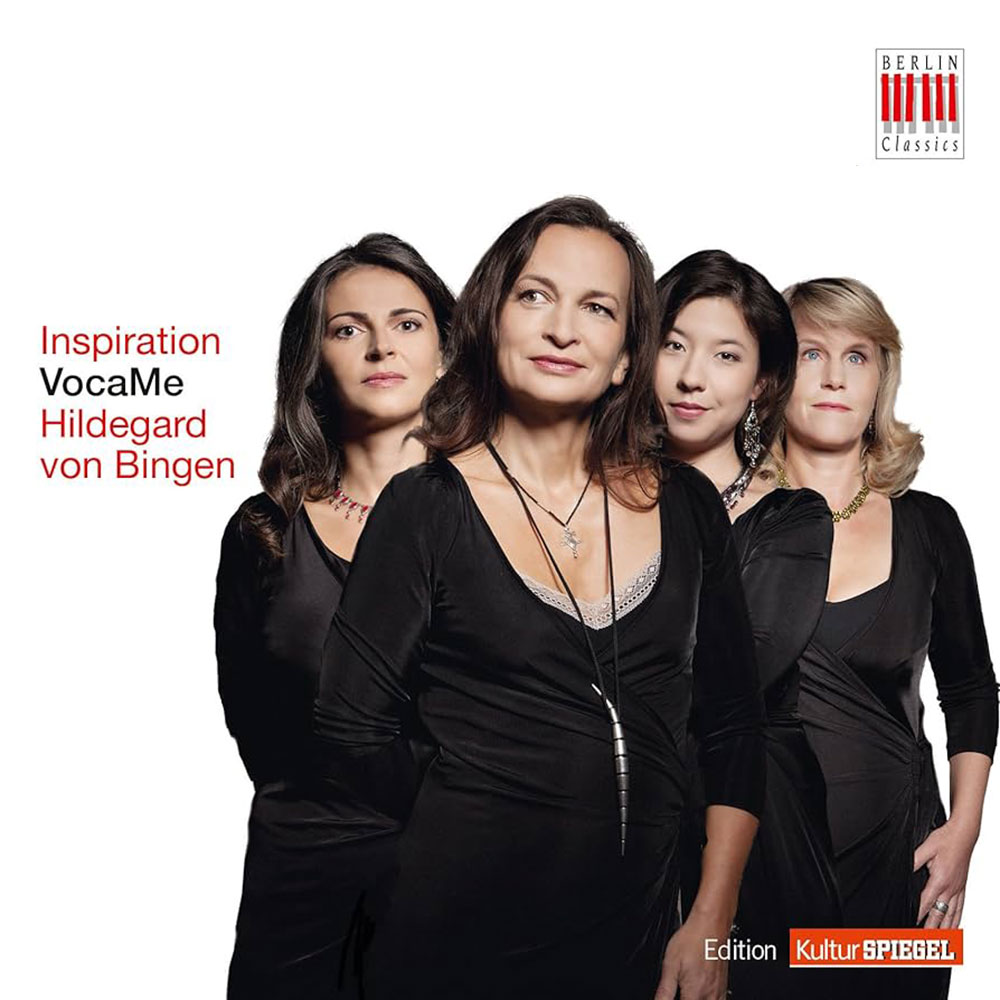
Inspiration – Hildegard von Bingen – Songs and visions
Hildegard von Bingen herself spoke of having experienced "auditions" as an "unlearned, indocta". This perhaps explains the special status of her music, which "appeared and disappeared out of nowhere", as Michael Popp, artistic director of VocaMe, notes. He is convinced that "especially when dealing with Hildegard, the intuitive and thus artistic-creative approach - despite the necessity of modern methods of analysis - is indispensable and ultimately more 'authentic' than the predominantly modern rational explanatory approach." This results in an approach that consciously takes liberties: "The recording itself should also be inspiring and creative. In addition to the genius of the original tradition, it also wants to bring a small piece of our individual approach to this work, i.e. a new sound, to our ears",
At first there is absolute silence - suddenly a female voice, clear as a bell, begins to draw a precious melody in the church interior. Other voices join in, taking turns to emerge, making room for each other, creating a framework for unfolding. The sounds of harp or dulcimer join in, crossing the tonal space.
O tu illustrata
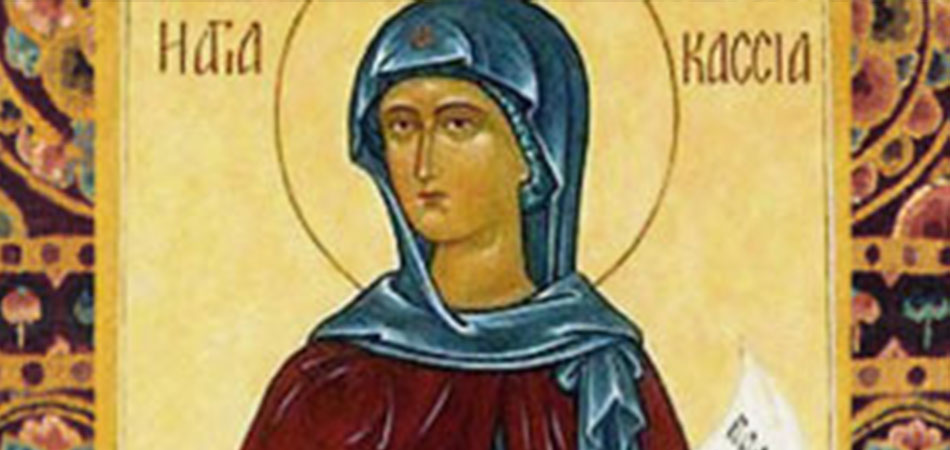
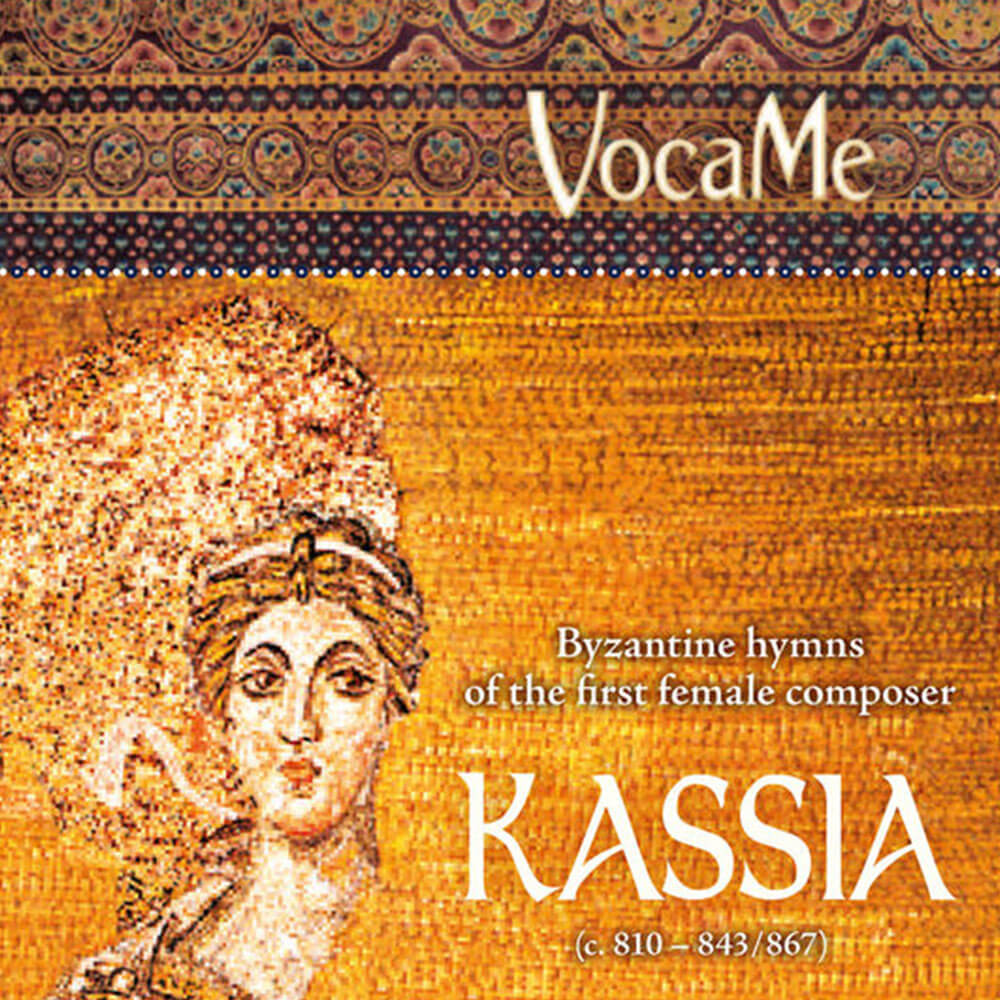
Kassia – Byzantine hymns by the earliest female composer in the West
"Through the woman, better things began."
"Through woman, evil came into the world," said Emperor Theophilos, before he wanted to give the beautiful Cassia a golden apple as a sign of his choice of bride. Cassia replied without hesitation: "But through woman, better things also began!" So the bride candidate forfeited her right to become empress of the Eastern Roman Empire. The emperor passed the apple to another. Cassia (born 810, died between 843 and 867) took a different path in life, founded a monastery and became abbess.
She must have been an impressive, self-confident personality, highly educated, who was already in correspondence with the abbot Theodor Studites (759-826) of Constantinople at a young age. She intervened in the then prevailing iconoclastic controversy, which centred on the correct use of icons and divided the whole of Byzantium and was bitterly fought at the time. Cassia helped imprisoned monks and exiles who had fled because of icon worship, was persecuted and once punished with lashes.
After Empress Theodora ended the iconoclastic controversy in 843, Kassia founded her own monastery near the Studites Monastery on the seventh hill of Constantinople and ran it as abbess. There she wrote both spiritual and secular writings for her monastery and circle of friends. She also composed troparia (short hymns as part of the Byzantine liturgy) for various saints' feasts. There are probably almost fifty hymns that we can attribute to Kassia today, many of which are still in use in the Greek Orthodox liturgy. This dazzling figure was at the centre of the intellectual and artistic life of the metropolis on the Bosporus.
Petron ke Pavlon
Ek Rizis Agathis
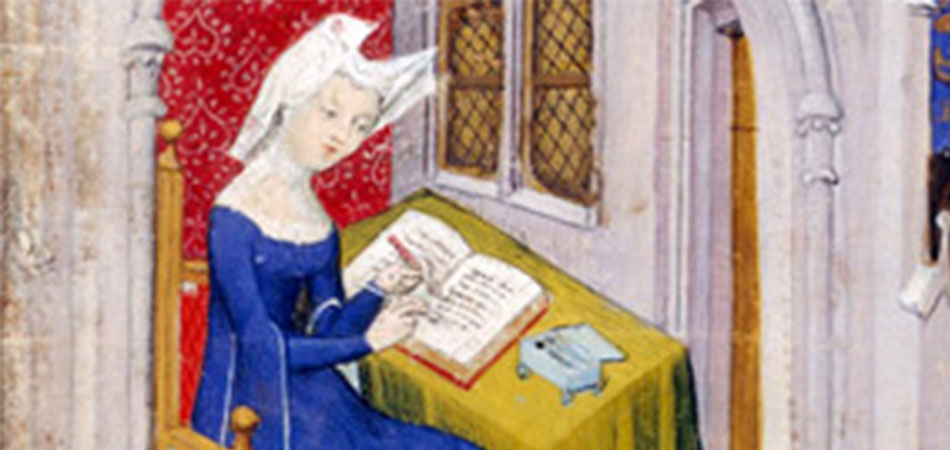
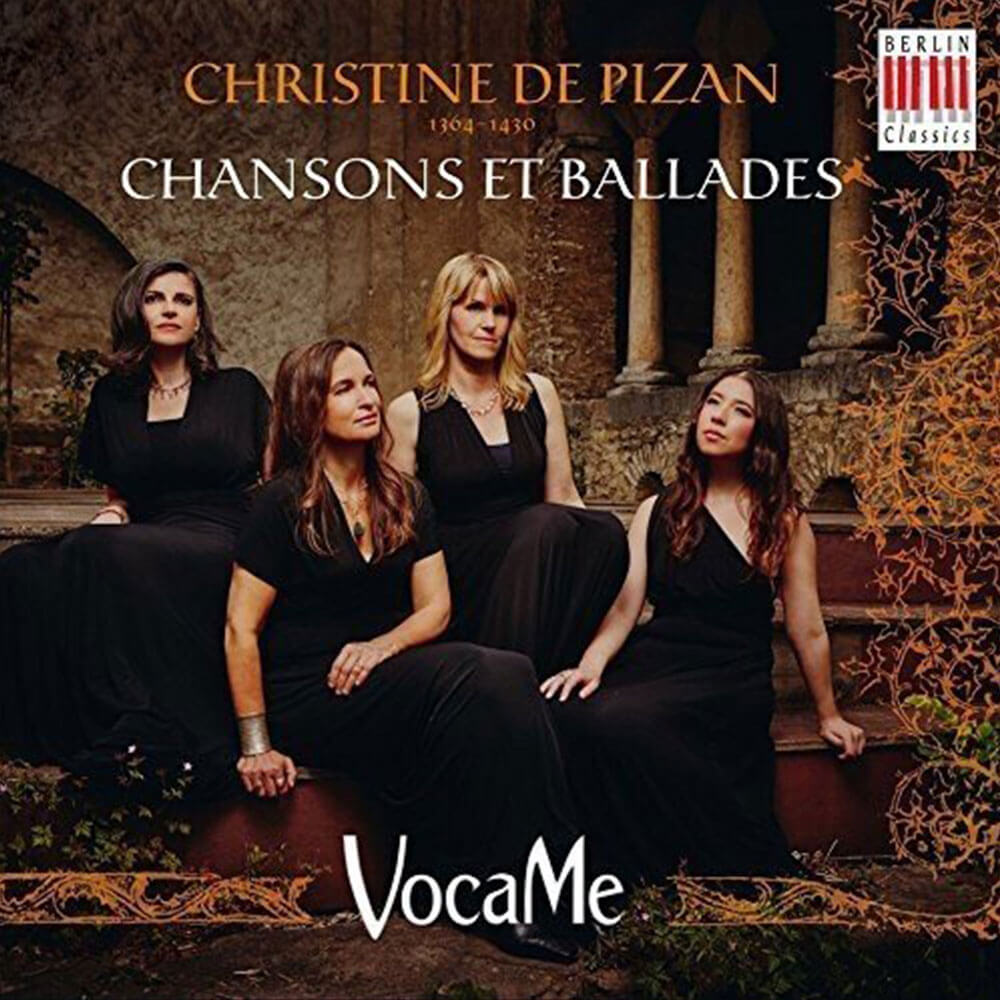
Christine von Pizan – Chansons et ballades
This programme focuses on the Franco-Italian Christine de Pizan, an incredibly interesting, versatile and creative personality and writer who lived a life full of ups and downs in Paris around 1400 under the sign of the capricious goddess of fate, Fortuna.We were inspired to illustrate her life story musically by the fact that at least one of her ballads, Dueil engoisseus, a poem about loneliness and melancholy, was set to music by her contemporary, the Flemish composer Gilles de Binchois. We have therefore set ourselves the task of underlaying some of her chansons and ballads as contrafacts with contemporary melodies. This approach - creating a new work from existing elements, text and/or melody - was quite common in the music of the Middle Ages and the Renaissance.
Christine, for all her progressiveness, is regarded as one of the last advocates of the ideal of medieval High Minne, as handed down to us by the troubadours. We have therefore set some of her love poems to melodies that were popular around a hundred years before her time and which she may still have been familiar with. The compilation of a text corpus that provides a representative insight into the poetic work of Christine de Pizan was carried out in close collaboration with the Pizan specialist Margarete Zimmermann and the Romance scholar Gisela Seitschek.
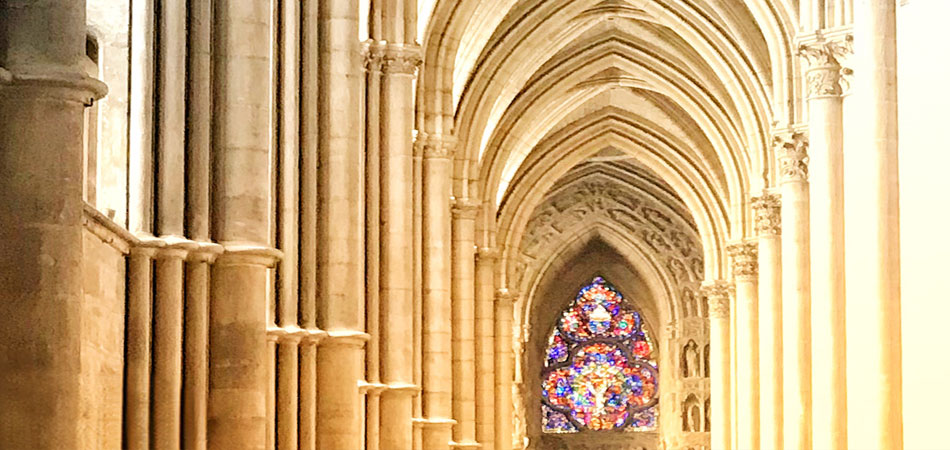
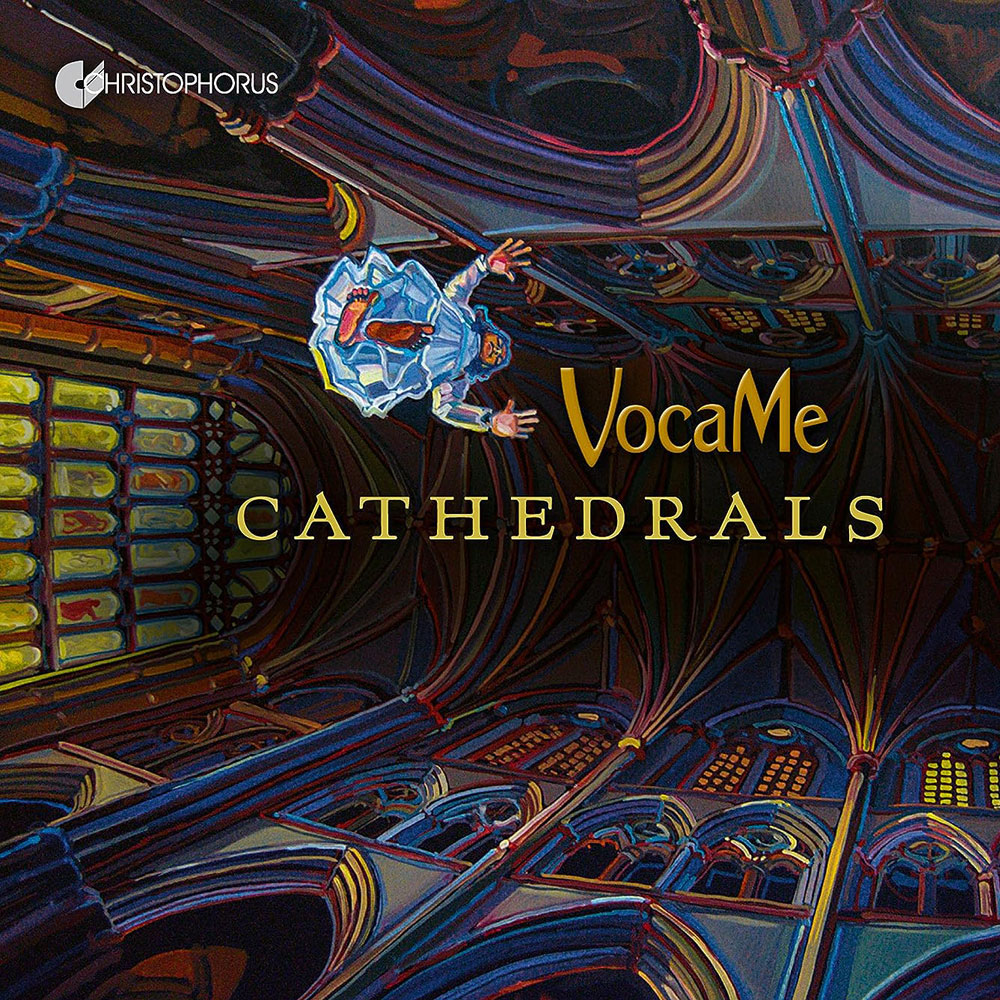
Cathedrals – vocal music from the time of the great cathedrals
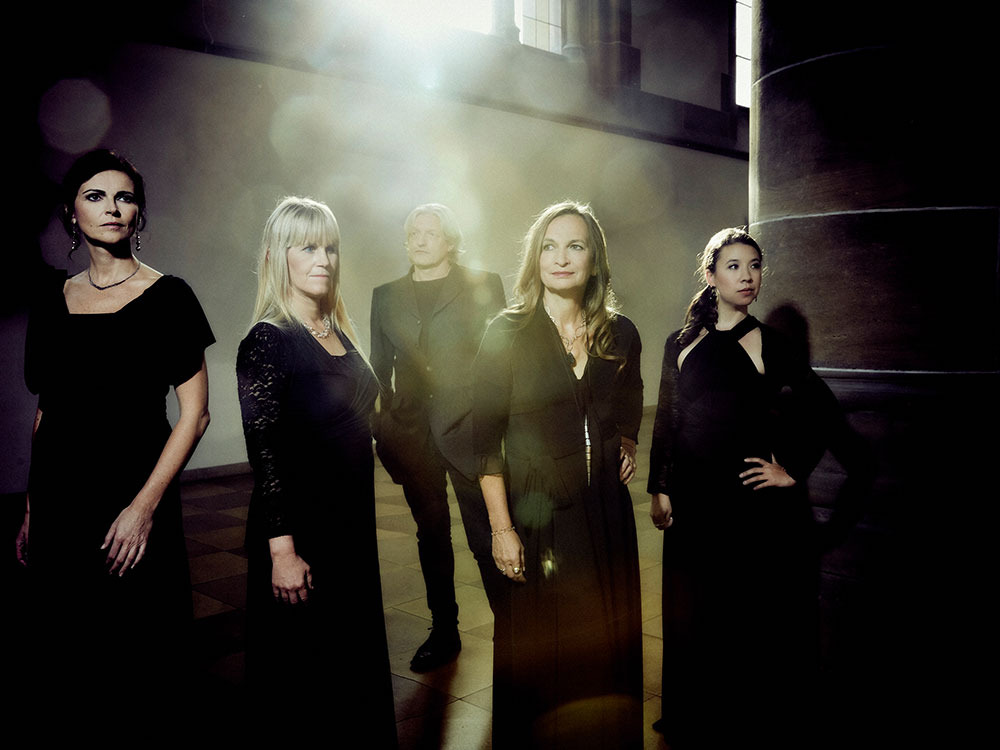
The large, light-flooded Gothic church interiors, which spread throughout Europe like miracles in stone from the 12th century onwards, inspired this programme.
These cathedrals, with their harmony of proportions and the apparent weightlessness of the architecture, were the living intersection of all paths and cultures in the Middle Ages, symbolising divine dwelling places and the unity of sound, light and space.
"Like the pillars of the cathedral, we imagine the mass movements of the famous mass of Tournai, and between these pillars other sacred chants from France, Spain and Germany resound, oscillating between popular piety and contemplation, invocation and high spirituality..."
Works from the Las Huelgas Codex and the Codex Calixtinus (Book of St James) are reinterpreted by Vocame, from simple monophony to the splendour of medieval polyphony. The power of the human voice takes centre stage. Four singers with an enchanting melodiousness in unison, a wide range of polyphonic singing and the sound colours of multi-instrumentalist M. Popp form the musical expansion and interpretation of the church space.
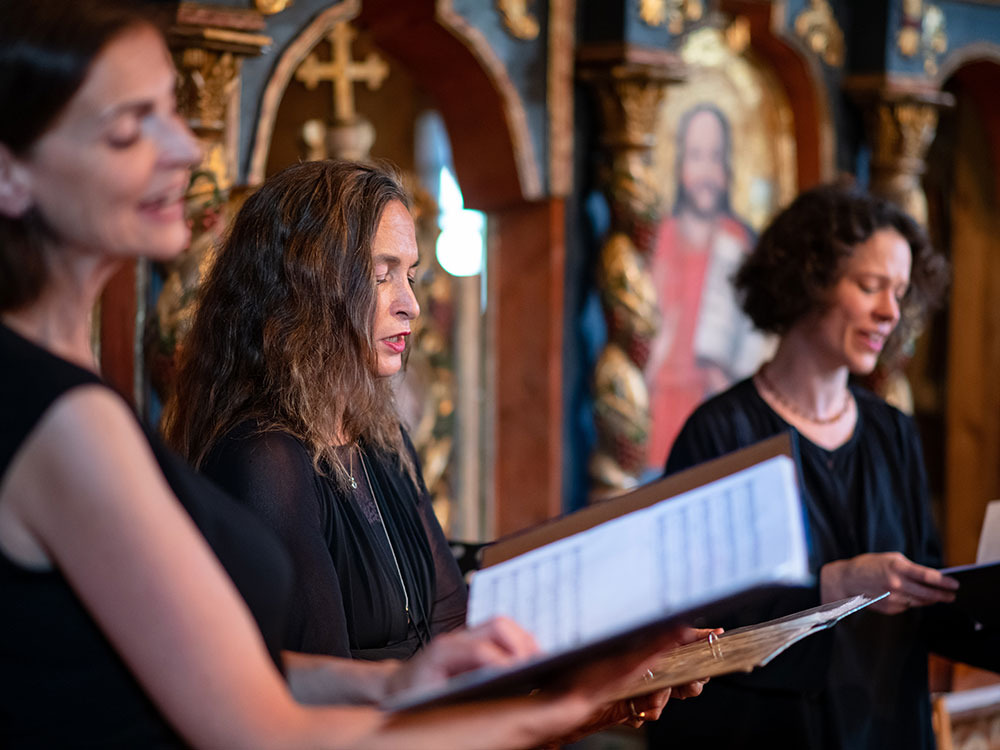
Space, positioning, movement: since the ensemble was founded, Vocame has been developing its own captivating variations on the usual "classical" concert programme. The singers move around the room singing, taking up positions between, behind and above the audience, thereby changing and intensifying the experience of sound and space. The respective concert space, usually a church/cathedral, takes on a completely new dimension.
Tota pulchra es
La Messe de Tournai
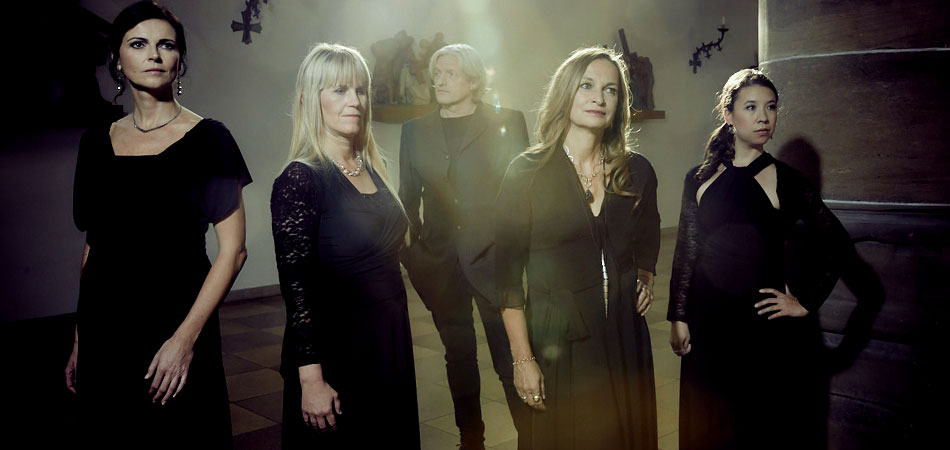
Strong women - mystical women in the Middle Ages
This concert spans an arc from Kassia, a charismatic composer of the 9th century in Byzantium, to Hildegard von Bingen, mystic and visionary of the 12th century, to the subtle yet powerful poetry of Christine de Pizan in 14th century Paris.
DISCOGRAPHY
- Studium Divinitatis 1
- Spiritus Sanctus
- O ignis Spiritus
- O virtus sapientiae
- O spectabiles viri
- O virga ac diadema
- Aer enim volat
- Rex noster
- Cum processit
- O quam mirabilis
- O virga mediatrix
- Tu rubes ut aurora
- Columba aspexit
- O tu illustrata (Marienantiphon)
- Studium Divinitatis 2
Buy with Paypal
- Tota pulchra es
- Ave gloriosa
- Sol sub nube latuit
- Kyrie
- O Maria, stella Maris
- Benedicamus
- Baculi sollemnia
- Gloria
- Cuncti potens
- Deus pacis
- Sanctus
- Salve mater salvatoris
- Orbis factor
- Benedictus
- Audi pontus
- Agnus Dei
- Congaudeant catholici
- Circa mundi vesperam
- Ite missa est
Buy with Paypal
- Doxazomen Sou Christe
- Ek Rizis Agathis
- O Synapostatis Tyrannos
- O Phariseos
- O Tis Vasilevs DOXiS Christos
- I, Edessa
- Tin Pentachordon Lyran
- Igapisas Theophoric
- Yper Ton Ellinon
- I En Polls Armati
- Pelagia
- Stavrou Tou Sou I Dynamis
- Olvon Lipousa Patrikon
- Petron Ke Pavlon
- Isaiou Tou Nyn Prophitou
- I Ton Lipsanon Sou Thiki
- Avgoustou Monarchisantos
- Christina Marty
Buy with Paypal
- Jeux à vendre
- Ma dame secours
- Mon bel ami
- À Dieu mon ami
- Mon chevalier
- Dueil engoisseus
- Amours, escoute ma complainte
- Ovide
- Dieux on se plaint
- Mon ami, ne plourez plus
- Ditie de Jeanne d'Arc
- L'amant et la Dame
- Seulette suy
Buy with Paypal
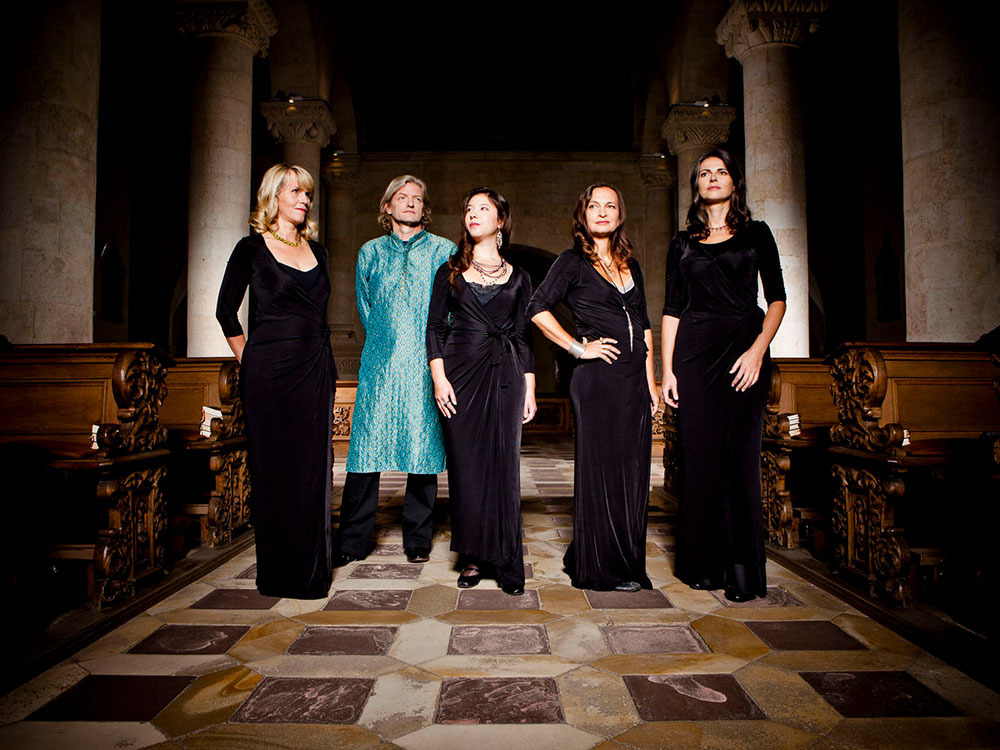
ENSEMBLE
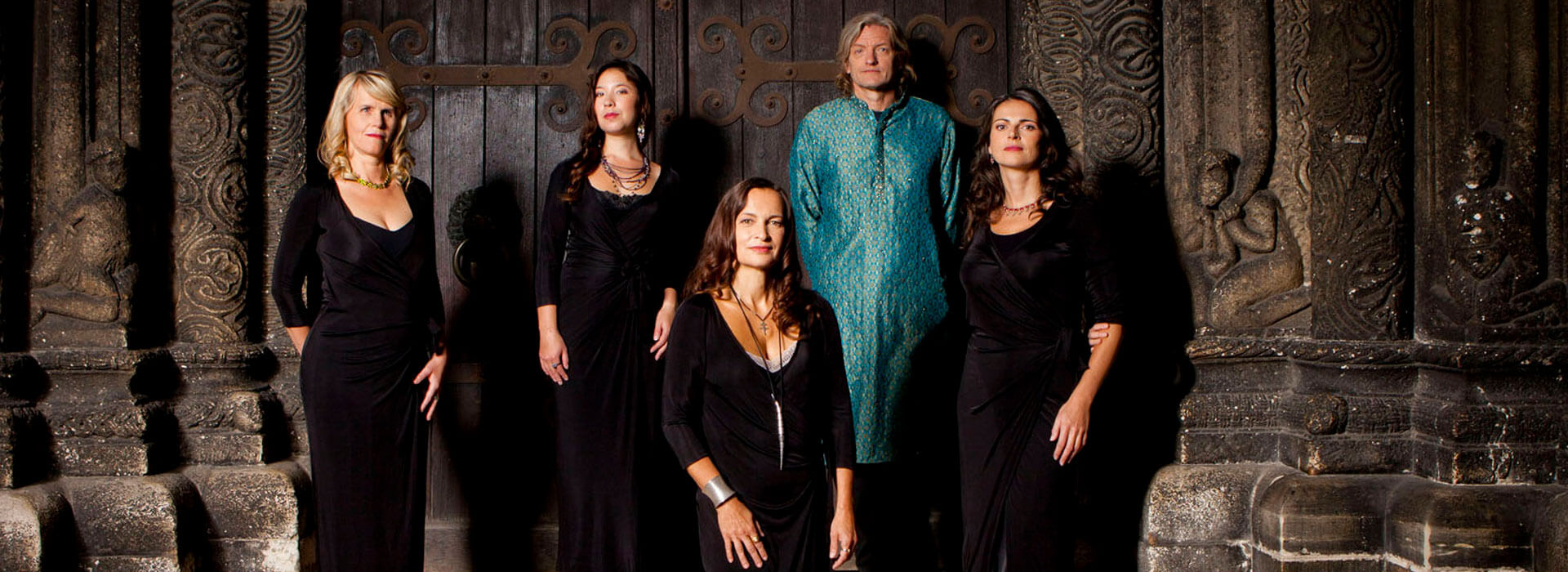
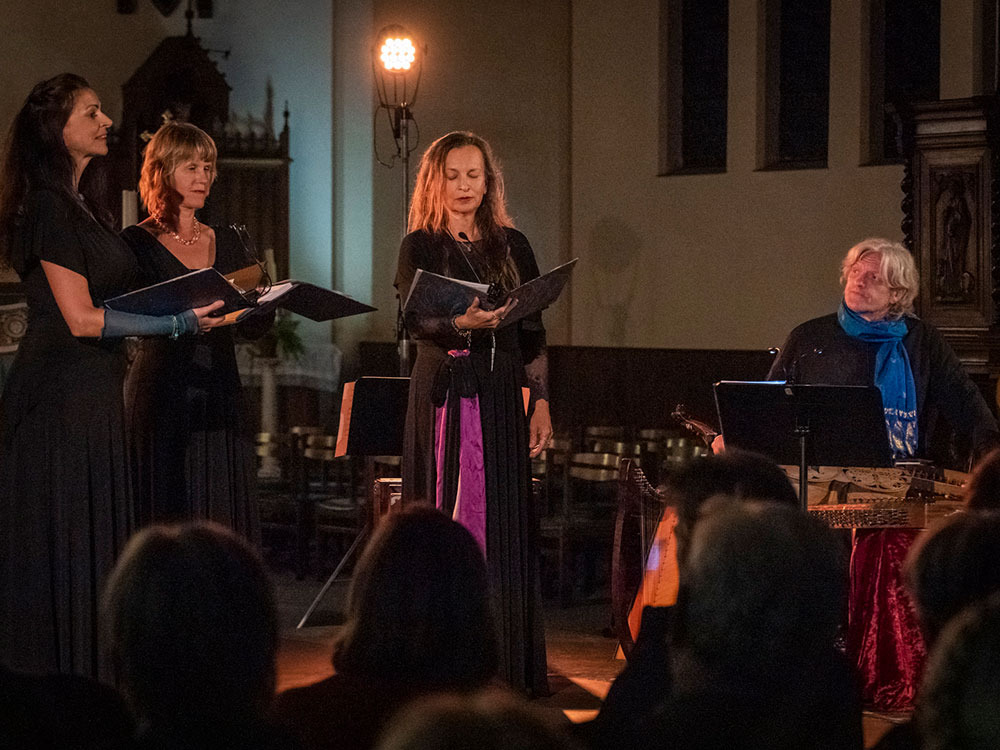
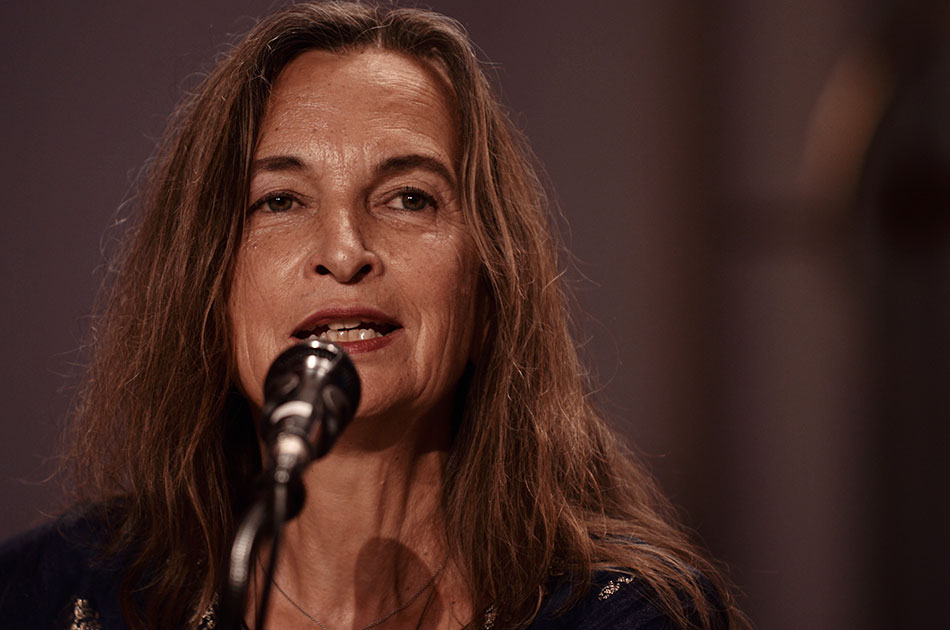
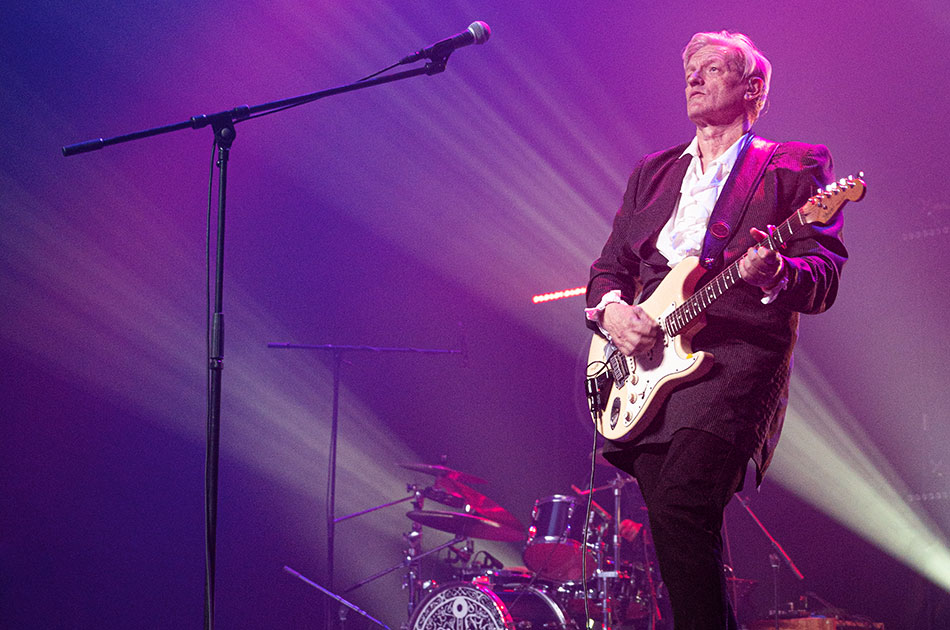
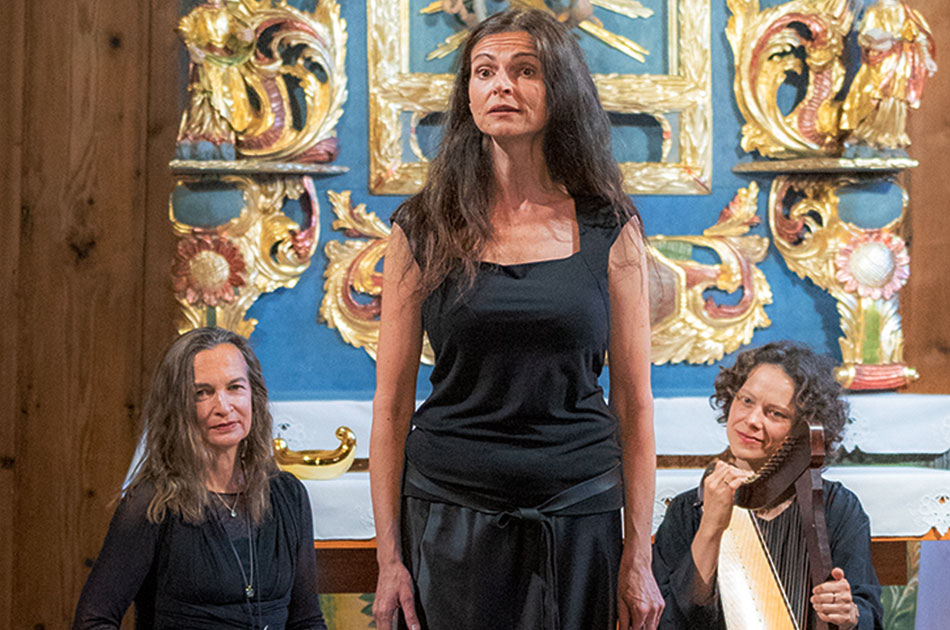
from left to right: Gerlinde Sämann · Sarah M. Newman · Sigi Hausen · Michael Popp · Petra Noskaiová
Impressions

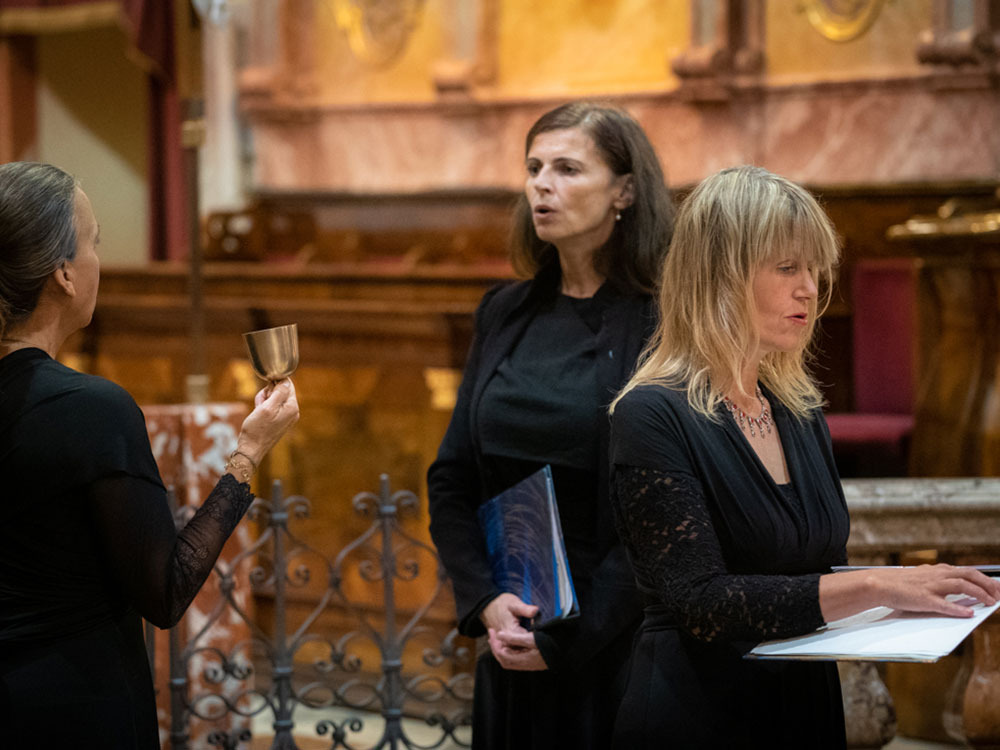
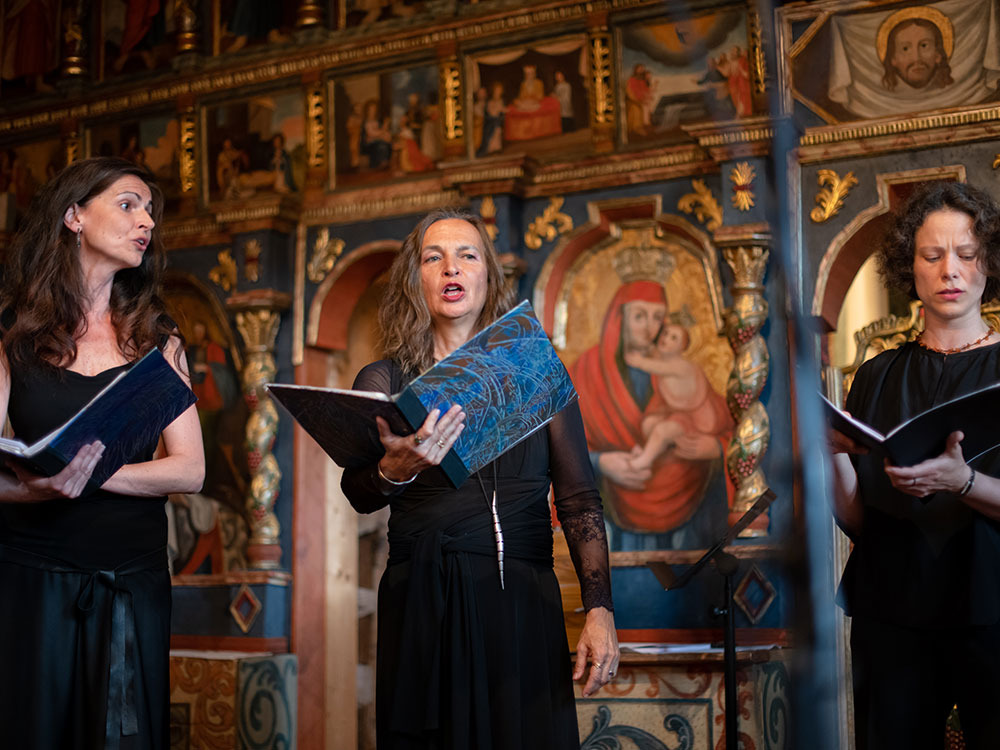
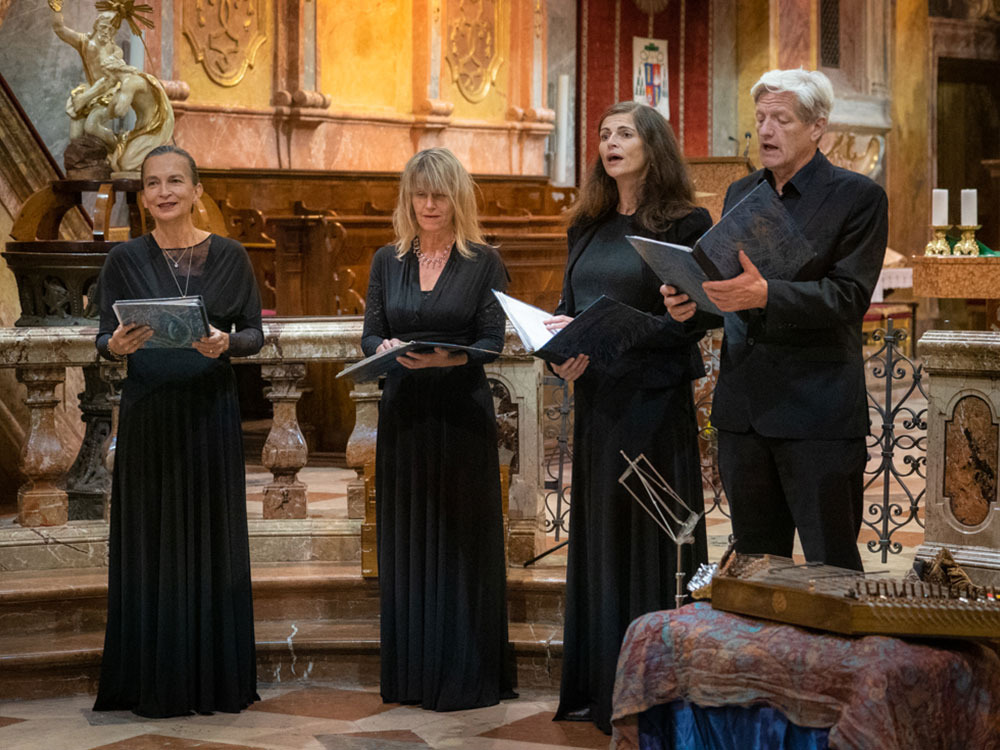

PRESS REVIEWS ON VOCAME
"If there is a sound for eternity - this is it." General Anzeiger Bonn
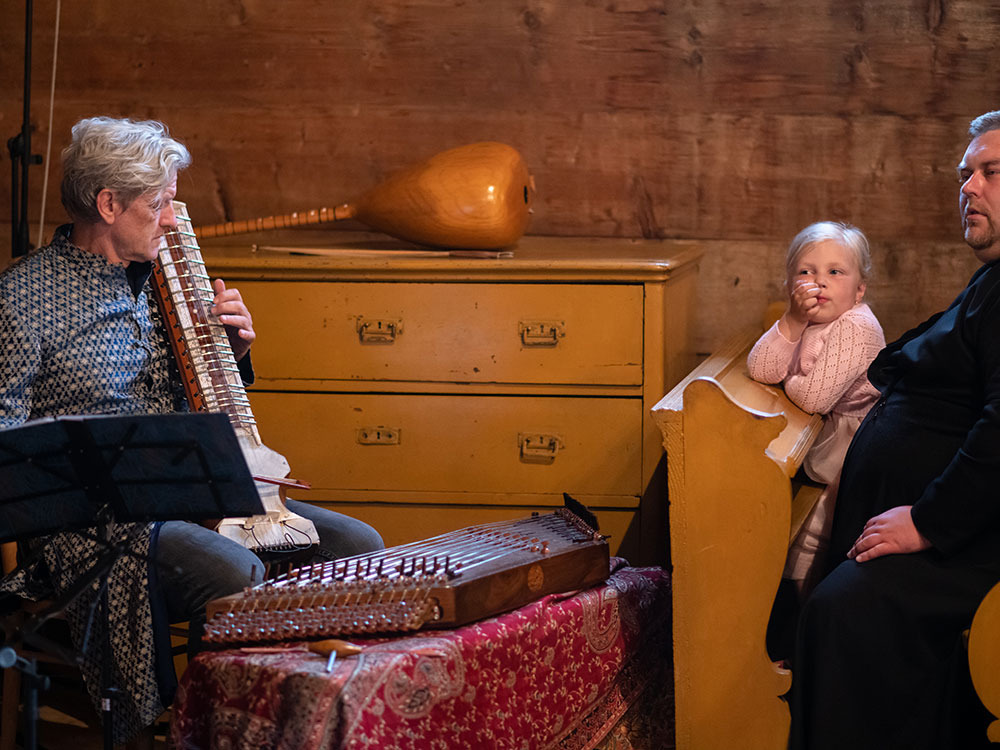
"...carried by the impressive acoustics of this early medieval sacred building, the voices combined to create an almost magical experience. They condensed into a single, brightly radiating spatial sound and ebbed away as if fading away on delicate wings. M. Popp accompanied the expressive, finely nuanced singing instrumentally on santur, oud and dilruba. This concert will certainly linger long in the memory of the audience." Mittelbayrische Zeitung
"An unusually beautiful and exquisite concert, balm for the soul." Svenska Dagblader
"The sensational discovery of a forgotten treasure." Musica Sacra Review
About the CD Inspiration, Hildegard von Bingen - Songs and Visions: 10 out of 10 points at Klassik Heute "A worthwhile musical (very) early music adventure - a harmonically unusual, deeply spiritual listening experience for our contemporary classical music ears!" Klassik Heute
"Four singers and an instrumentalist are inspired by music that has largely only been described, but not written down: the result is a beautiful and very sensual version of these pieces. The tempi are lively, the tone colours bright. The result is not an enraptured, sublime impression, but a deeply emotional and human one." Stuttgarter Zeitung
"The sound of light" Süddeutsche Zeitung

Estampie
Qntal
Vocame
Al Andaluz Project